Introduction
Kidney stones are among the most painful conditions known to humans, often compared in intensity to labor pain.
My first encounter with a person suffering from kidney stones was unforgettable, a medical student crying in pain, unable to speak in full sentences, due to the extreme pain. He tossed and twirled with one hand on his waist signaling to us the point of pain. This classic presentation is accompanied by other symptoms like vomiting, burning sensation when passing urine.
How do kidney stones form in our body?
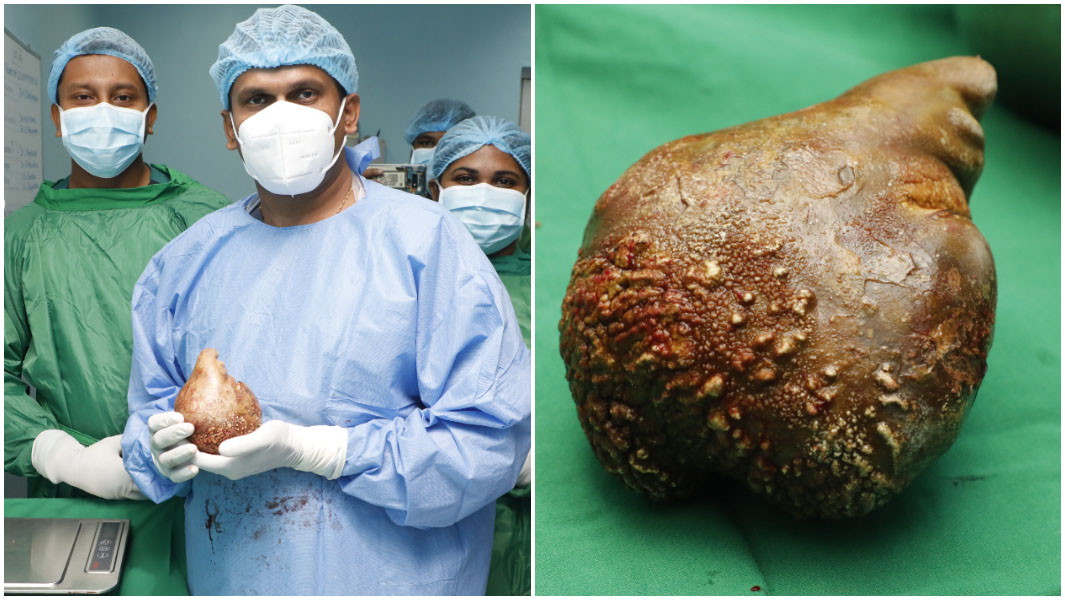
Kidney stones develop when the kidneys filter blood and produce urine, discarding toxic substances like calcium, sodium, potassium, oxalates, phosphates, and urea. An imbalance in urine composition or an infection can lead to the formation of tiny crystals that grow into larger stones over time. These stones can form in various locations within the urinary tract: in the kidneys, ureters (the tubes connecting kidneys to the bladder), or even in the bladder itself. Sizes can vary from a few millimeters to several centimeters, the largest recorded stone measured 13.37 cm in length and weighed a whopping 800 grams.
Symptoms of Kidney Stones
The pain associated with kidney stones is often described as excruciating and may be accompanied by:
- Nausea and vomiting
- Burning sensation during urination
- Blood in urine
- Difficulty passing urine
How to treat and prevent them?
Stones smaller than 5 mm may pass naturally through urine. However, larger stones can obstruct urine flow, leading to backflow and potential kidney damage, these require immediate treatment.
A common treatment method is Extracorporeal Shock Wave Lithotripsy (ESWL), which breaks down stones into smaller fragments using shock waves. This outpatient procedure typically does not require anesthesia and can be performed in a few hours.
Hitech Kidney Stone Hospital, Bengaluru is one such hospital successfully treating kidney stones with ESWL since 24 years. In some cases, surgical intervention by a urologist may be necessary to remove larger stones.
Urologist: A doctor who specialises in the study or treatment of function and disorders of the urinary system.
Prevention Strategies
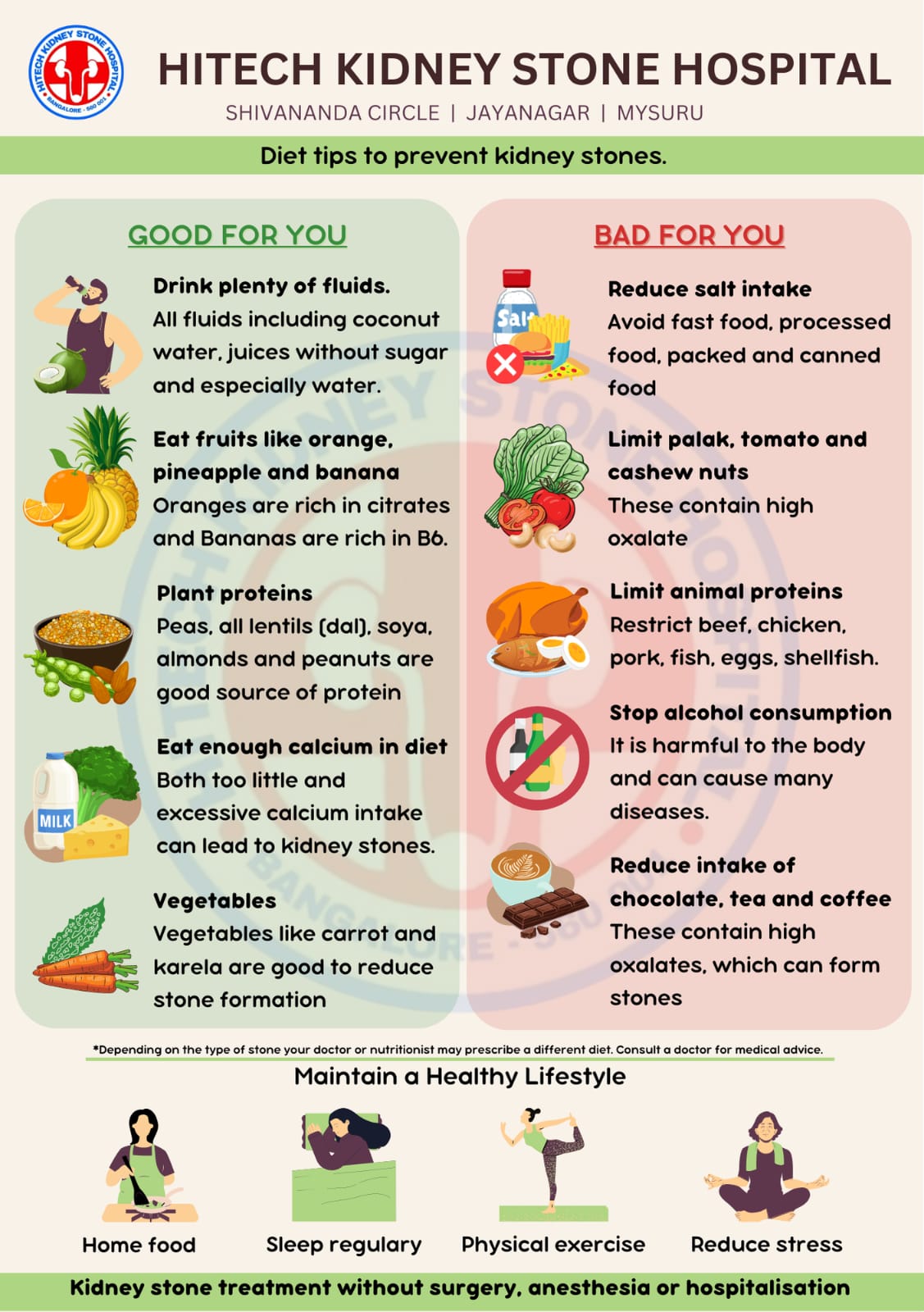
Preventing kidney stones involves lifestyle modifications:
- Stay Hydrated: Aim for at least 2-3 liters of water daily.
- Balanced Diet: Limit foods high in oxalates (like spinach and nuts) if you have a history of calcium oxalate stones.
- Reduce Sodium Intake: High salt consumption increases calcium excretion in urine.
- Limit Animal Protein: High-protein diets can raise calcium levels in urine.
In conclusion, kidney stones are a common yet extremely painful condition that significantly impacts quality of life. By maintaining a balanced diet, staying well-hydrated, and adopting healthy lifestyle choices, individuals can reduce their risk of developing kidney stones.
*Blog created with Hitech Kidney Stone Hospital, Bengaluru.
Note: This blog is not medical advice. If you have concerning symptoms, consult your doctor for a proper diagnosis and treatment plan.